Progress toward gender equality in research has been made, but often uneven and slow. In this INSPIRE interview, Catherine Mavriplis, Professor of Mechanical Engineering at the University of Ottawa in Canada, reflects on decades of work advancing opportunities for women and other underrepresented groups in STEM. Drawing on experiences across Canada, the United States, and Europe, she discusses why meaningful change takes time, why resistance often accompanies progress, and why shifting the focus from individual achievement to collaboration may be key to building more inclusive research environments.
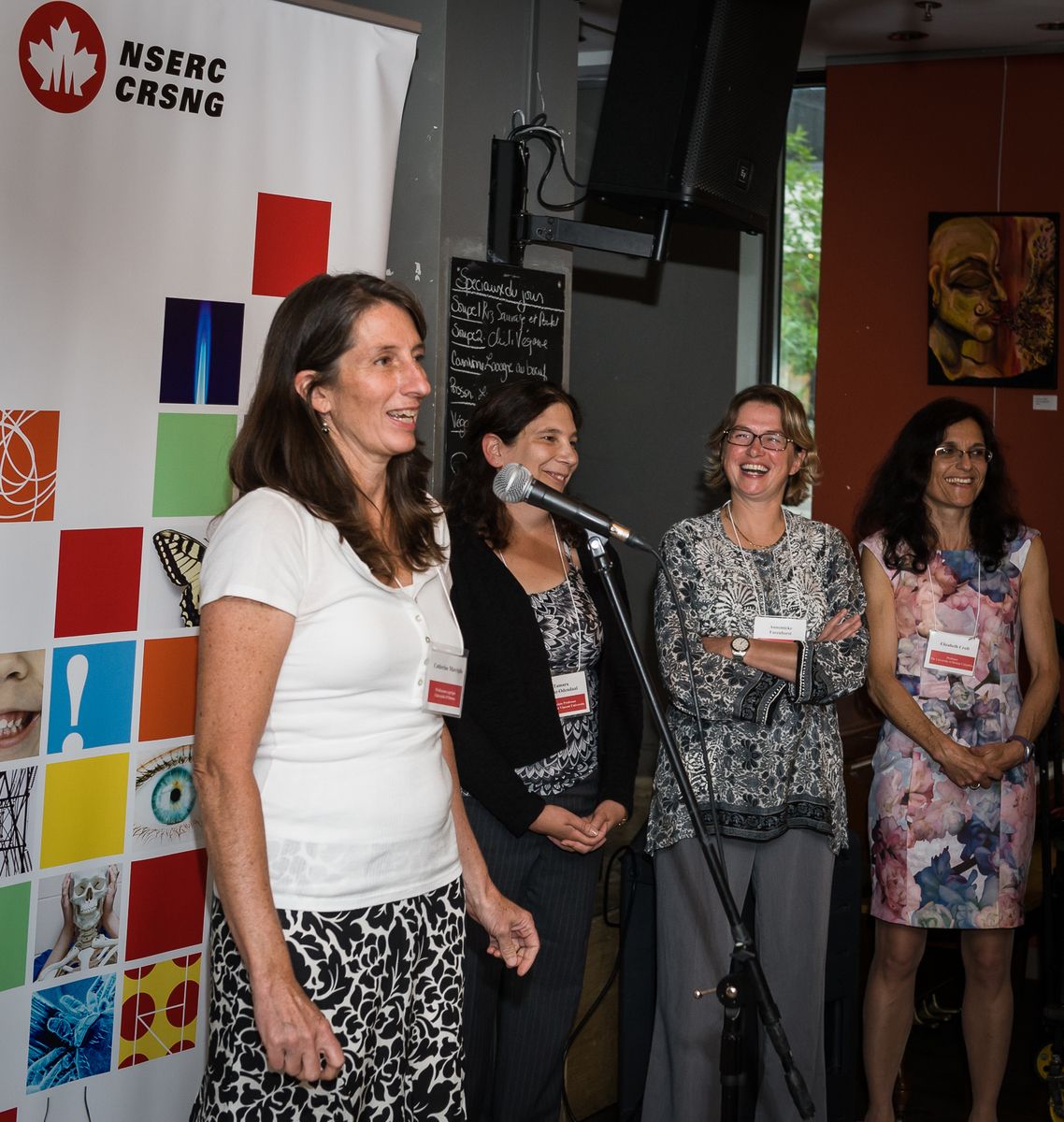
Dr. Mavriplis has led a career in promotion and development of women and underrepresented groups in parallel to her disciplinary computational fluid dynamics research and teaching career for 40 years, first in the US and then in her native Canada. She has conducted large national-scale projects to tend to the multiple facets of scientific and personal lives of diverse students and professionals in science and engineering. For example, she co-created the national FORWARD to Professorship workshops for those aspiring to tenure-track positions, and held Canada’s NSERC Chair for Women in Science and Engineering for 10 years with support from industry. Combining a wide array of interdisciplinary research and on-the-ground training opportunities in Canada, the US and Europe, she has a comprehensive view of the changing landscape of equity, diversity and inclusion in STEM.
Q: Looking ahead 10–20 years, what major cultural or structural changes do you believe are necessary to achieve inclusive gender equality in research and innovation?
CM: Achieving gender equality in research and innovation is a multifaceted complex problem, rooted not only in the disciplinary environments, but also in our different cultural and sociological values. It will therefore take a long time to change, and progress will vary in different countries or environments. Nevertheless, we have seen tremendous progress even in traditionally conservative societies. Promoting the benefits for all that stem from a more diverse workforce is key to achieving change. But it will not suffice. I believe legislation, however unpleasant to some, may need to be implemented, at least temporarily, to get a larger swath of the population on board with change.
Q: How should institutions (universities, research institutes, funding bodies, etc.) rethink or redefine concepts such as “excellence” and “merit” to make them more inclusive?
CM: These institutions can rethink their concepts of excellence and merit by enlarging the scope of their definitions: looking at people’s contributions and impact at a larger scale than the strict disciplinary level; considering the “service” contributions of researchers and how they contribute to the improvement and advancement of the larger ecosystem; allowing for more risk-taking in research (thereby allowing for non-traditional approaches); and fostering a more collaborative rather than competitive ecosystem. In industry, government, and larger societal movements, great achievements are made by teams, not individuals. In research, it is likely that the same is true, yet we reward more on individual effort and achievement and perpetuate a certain ideal for that individual behaviour that may not be the only or even the right path to success.
Q: What long-term strategies do you believe are most effective for addressing entrenched biases across the research career pipeline?
CM: Since none of these have worked well, it’s hard to say. We haven’t found the key yet. However, the concepts of equity, diversity and inclusion have definitely come into the consciousness of many, surely to different degrees in different countries, but I don’t think there is any going backwards at this stage. That is precisely why many groups are reacting strongly against these changes, as they fear for their status quo in an unknown and quickly moving landscape (through the speed-up of technology for example). Awareness and critical mass are the two strategies that I think will work best, but they take time.
Q: In your view, what institutional structures are missing or underutilised that could enable fairer recruitment and career progression pathways?
CM: Recruitment and career progression are still dominated by disciplinary peer groups which are most often non-diverse and perpetuate a classical model. Interdisciplinarity and cross-pollination of research will help break down disciplinary silos and open people’s minds to alternate forms of scholarship and excellence. Targeting collaborative rather than single-investigator competitive projects can also change attitudes and practices, while building world-class research teams ready to tackle the complex problems facing our world.
Q: If you could redesign one aspect of institutional culture to foster justice and inclusion, what would it be and why?
CM: Foster more dialogue between people of diverse views, hold more freeform retreat exercises to promote change, and encourage a team approach to all endeavours. I believe the key to acceptance of others is through shared experience and dialogue, to understand and discover different points of view and realize their value.
Q: From your own experience, can you share one concrete action or practice that you (or your team) have implemented to reduce bias or promote gender equality in research and innovation?
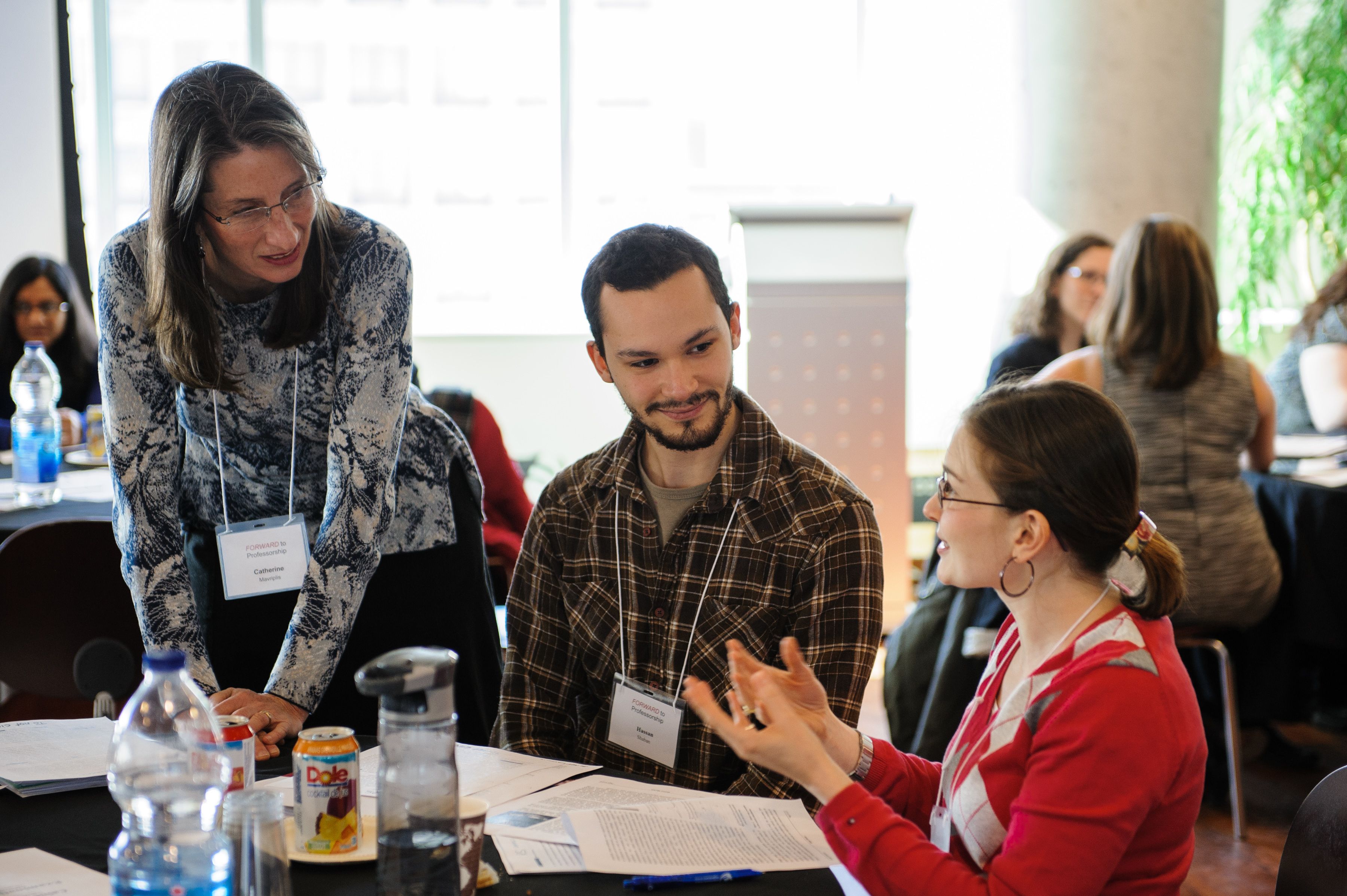
CM: Simply providing access to information that is otherwise usually only passed on to the protégés of those who are already successful in a system that works for them and that they want to perpetuate. This is what we did by providing our FORWARD to Graduate School and later FORWARD to Professorship workshops for women, Deaf and other underrepresented groups in STEM. We continue with other such workshops and leadership training to boost the confidence and open the doors for aspiring actors coming from non-traditional groups.
But this is not to say this is the only way: rather than working on those who are disadvantaged, the ecosystem needs to change. I believe at the time (1990s-2010s) that was the most expedient way to achieve change, but starting in 2001 and later, first steps were taken to address institutional change rather than individuals. That work must continue: change has been slow.
Q: Can you point to a specific institution or country that you think has taken effective action on gender equality in research and innovation, and briefly explain what they have done well?
CM: I have been impressed hearing from certain countries like Japan and the Scandinavian ones that have been able to integrate gender equity action into national plans and legislation, but I don’t know the details. I believe that the culture of the country plays a big part in the approach and therefore the success of a legislative approach. This may not work in other countries.
In Canada, we have had an equity, diversity and inclusion action plan in place for a number of years, in particular in the hiring of prestigious research chairs across the country, and this has been very successful in raising the numbers of researchers from underrepresented groups (women, racialized/visible minorities, indigenous people and people with disabilities, as well as gender-diverse people). The ensuing research that has come from these appointments is clearly different from what we had seen before: it is more interdisciplinary and impactful.
Q: Is there anything else you believe would help accelerate meaningful progress toward inclusive gender equality in research and innovation?
CM: International and national collaboration is key. I would like to see more collaboration across countries and continents and to also address regions of the world where women are not allowed to be educated.